KOENIGSEGG DEALS
- Regera & Agera & Jesko -
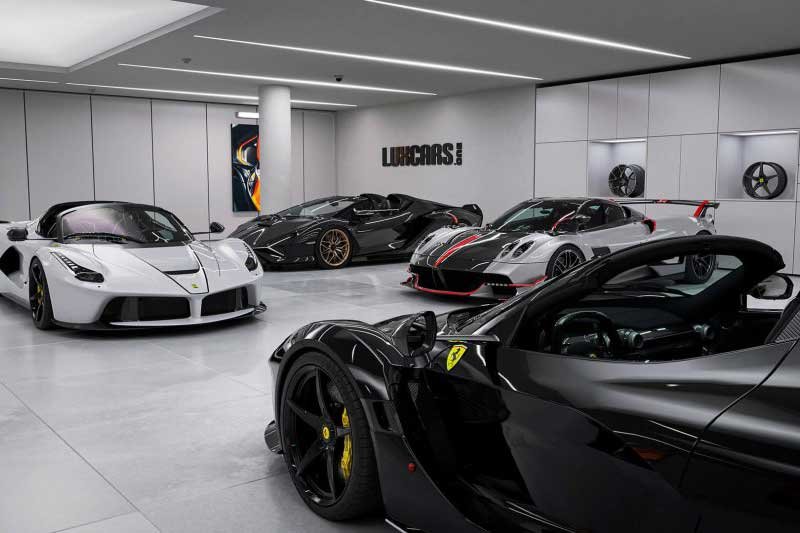
- Exclusive selection of luxury cars on LUXCARS.ONE
- Aston Martin Valkyrie, Bugatti Chiron Sport
- Ferrari Monza SP & Enzo, Ferrari LaFerrari & FXX-K
- Lamborghini Sian & Centenario
- McLaren P1 GTR & Senna
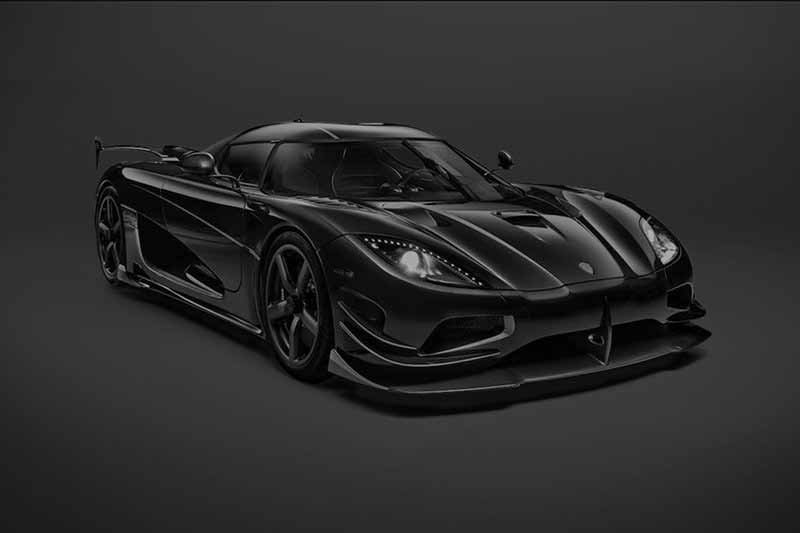
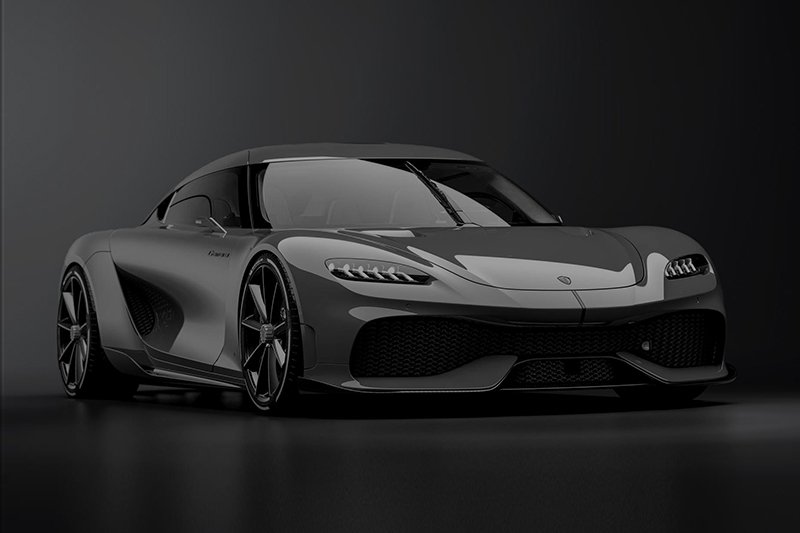
- Koenigsegg Jesko, Agera & Regera
- Pagani Zonda, Huayra & BC Roadster
- Off-Market Cars & Build Slots

Koenigsegg Regera, Agera & Jesko deals
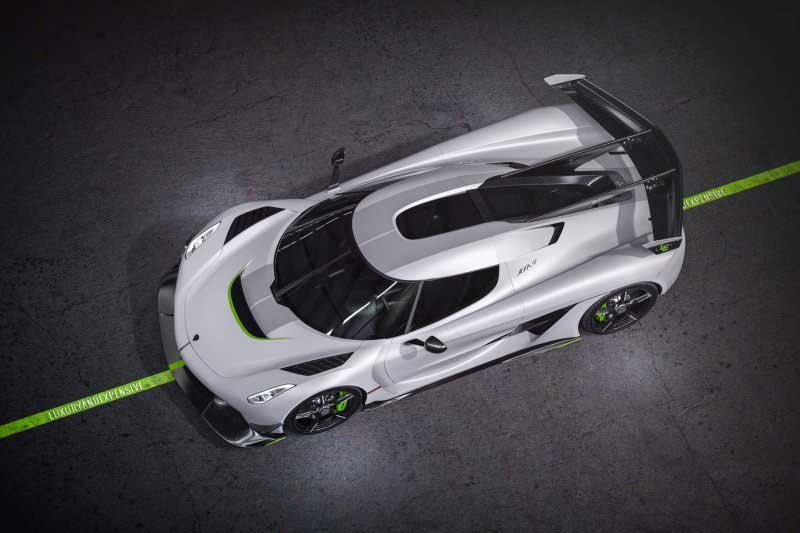
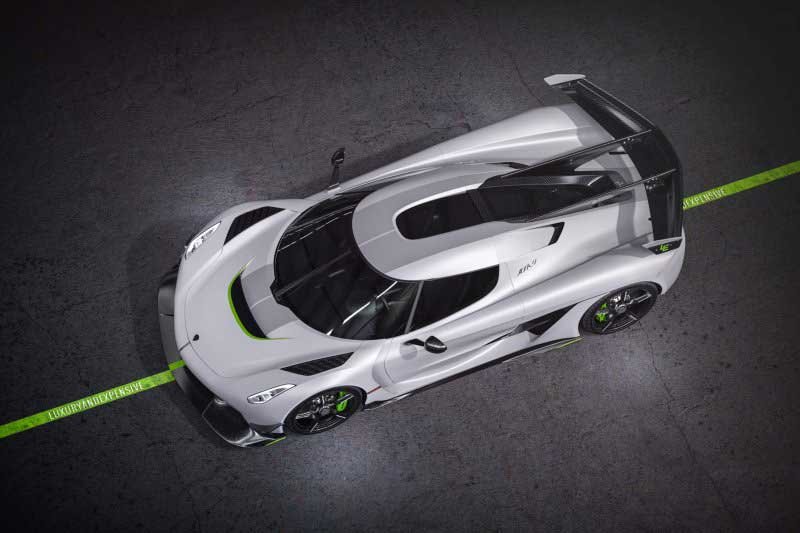
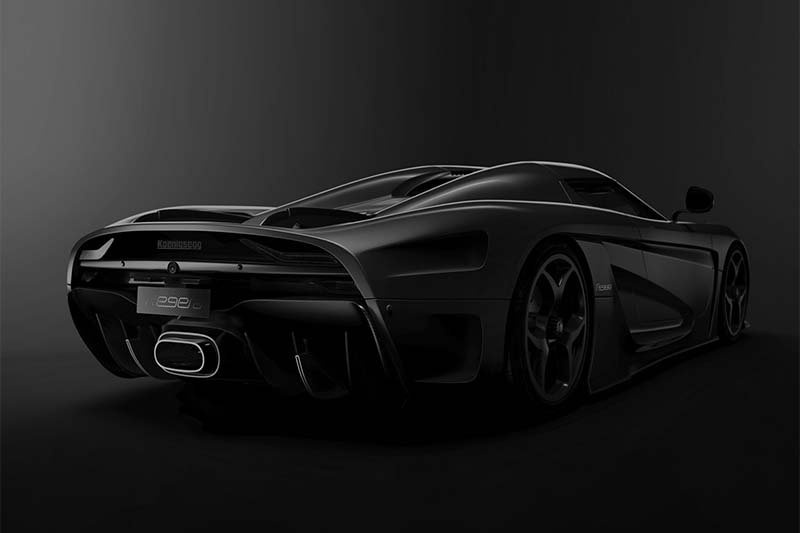
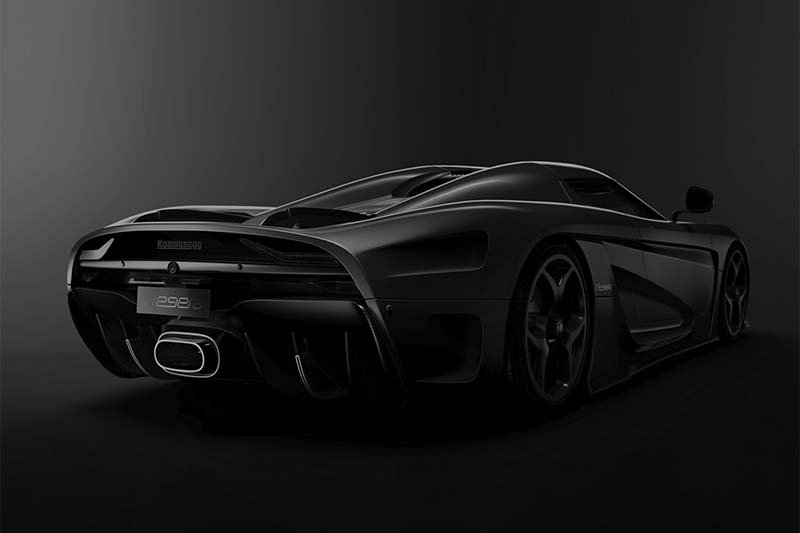
Koenigsegg the manufacturing guarantee for world record performances. On display at Luxcars.one you`ll find the record vehicle Agera, the luxurious Koenigsegg Regera and even the newest model Jesko. The Jesko is also to step into the tire tracks of the Agera RS in terms of records. As the first production car ever, the up to 1,600 HP strong "Megacar" could break the notorious 300-mph mark - at least theoretically. Almost 10 months after the world premiere of Koenigsegg Jesko in Geneva, a first video has been released, which gives a foretaste of the powerful sound of Koenigsegg Jesko. The almost 10-second clip shows a partially dissected Jesko, on which work is apparently being carried out. Thankfully, these were briefly interrupted to start the engine in front of a running camera and start it up with publicity. Koenigsegg Jesko: The fastest of all? On the occasion of the 25th anniversary of the company, Koenigsegg presents himself with a Super-, Hyper-, or (according to his own definition) even Megacar, which is supposed to be the first of its kind to break the 300 mph mark. The Jesko is supposed to fill the gap left by the Agera RS in the portfolio of the Swedes and in turn go on record hunting: With a (still theoretical) top speed beyond 482 km/h, Koenigsegg is aiming for a new speed record for production cars with the Jesko Absolut, an aerodynamically optimized version of the Jesko presented in Geneva in 2020. Further developed biturbo V8 The Jesko is to be driven to new heights by Koenigsegg's enhanced 5-liter biturbo V8. In its latest evolutionary stage, the V8 features a 180-degree flat-plane crankshaft weighing just 12.5 kilograms, which is intended to increase both the power and the efficiency of the engine and push the speed limit to 8,500 rpm. The tendency of flat-plane engines to vibrate more strongly is counteracted by active engine mounts, which have already been used in the Regera. Ultra-light connecting rods and pistons were newly developed for the Jesko. A patent-pending system for air injection is also used in the Koenigsegg Jesko. This system consists of a carbon tank and compressor in the turbocharger system and supplies the turbo with 20-bar "air shots", which significantly improves the response of the turbo.
As the successor model the Jesko is ready to get off the starting blocks and will only be produced 125 times. According to Koenigsegg its top speed will be at 480 km/h and is thought to be another record breaking drive for Koenigsegg. Only to surpass themselves, Koenigsegg allows the option to upgrade the Jesko to the absolut specs. Rumor has it the car will be running in excess of 500 km/h. Extreme performance for extreme customers.
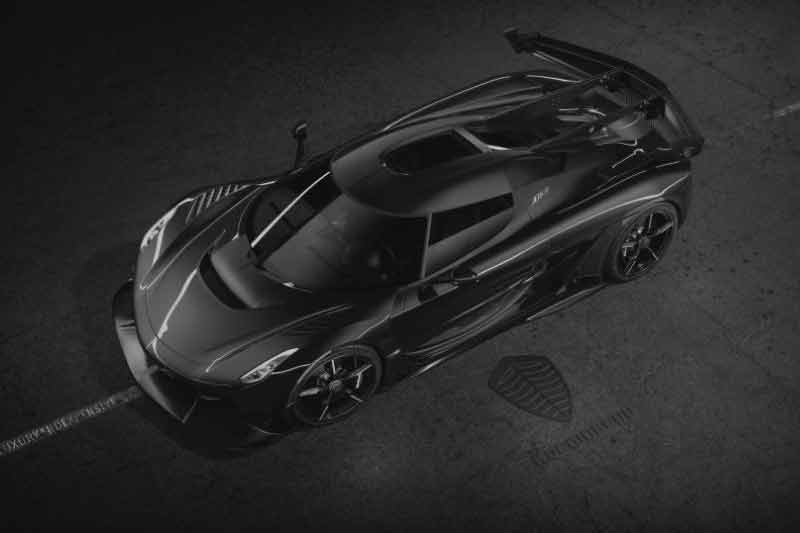
When Koenigsegg presented its new Jesko Absolut at last week's non-Geneva Motor Show, not a word was said about its actual top speed. The Swedes merely let it be known that their 1,600 hp monster will go down in history as the fastest Koenigsegg ever and that there will be no model from the brand that will go faster in the future.
So it will be faster than the Agera RS, which roared through the country at an impressive 446.97 km/h in 2017. But the hypercar brand is not yet sure how much faster it will be.
Koenigsegg pulverizes the next Bugatti record. The Koenigsegg Agera RS sprints in two runs in the Nevada desert to an average of 447.2 km/h. No production car in the world has ever been faster. These are the weeks of records for Koenigsegg. On October 1, the Koenigsegg Agera RS had first sprinted from a standing start to 400 km/h, and then came to a standstill as quickly as possible. The Swedish super sports car mastered the task in 36.44 seconds. Five and a half seconds faster than the Bugatti Chiron, which had completed the 0-400-0 km/h test in 41.96 seconds. For acceleration, the Koenigsegg Agera RS covered a distance of 1,958 meters in 26.88 seconds. The 1,176 HP (865 kW) super sports car completed the braking process in 9.56 seconds after 483 meters. The Agera RS was steered by Koenigsegg works driver Niklas Lilja. Just like the second world record. New record on closed highway This time the Agera RS had to play out other qualities. Koenigsegg was striving for a new top speed record. Bugatti had also held that speed until then. The Veyron Super Sports ran 431 km/h. That was in 2010, and in the meantime the Hennessey Venom GT even managed 435.31 km/h. The drive was blamed as an unofficial record because Hennessey hadn't built 30 of his sports car. And because they had only covered one distance. Not so Koenigsegg.The Agera was only produced 53 times and is thus very rare. 2010 it was curated by Top Gear to be the Hypercar of the Year. Well earned, since it holds the world record for fastest production vehicle. The Agera is available in a variety of versions and was ordered to bespoke specifications by many buyers. That makes individual cars extremely collectible and a great purchase for any collection!
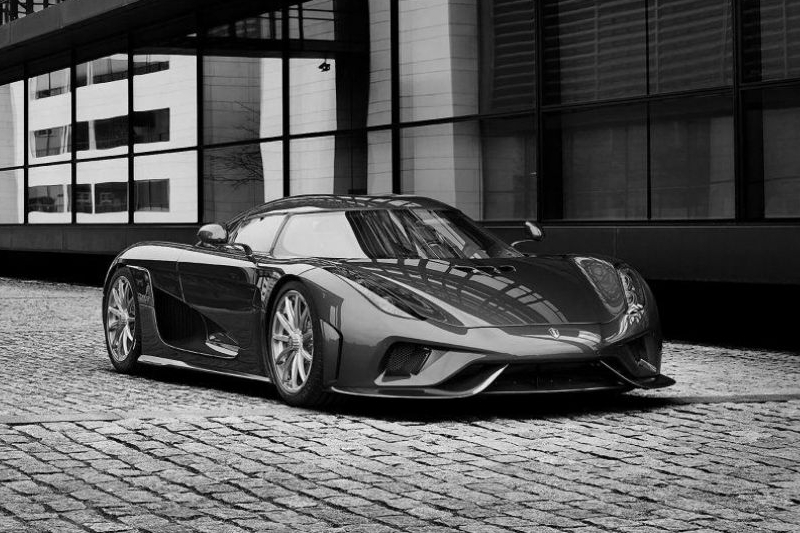
The Koenigsegg Regera is more luxurious and still can entertain a top speed of 410 km/h. The model is limited to 80 units and comes with the performance of 1509 HP. The acquisition of this vehicle is for speed freaks. Only one gear and no transmission: The whole thing is called direct drive and works with a fixed transmission ratio. Koenigsegg presented the drive concept for the first time with the plug-in hybrid model Regera. To make the concept work, three electric motors work together with a very powerful V8 biturbo engine. The five-liter gasoline engine acts on the rear wheels, while a 218 hp electric motor is additionally mounted on the crankshaft. It is there for boosting, can recuperate and replaces the starter. The other two electric engines are mounted on the rear axle. All electric motors get their energy from a 9.27 kWh battery. However, the most important component in this drive train is the relatively large torque converter with lock-up clutch. It ensures that the up to 1115 hp of the combustion engine, together with the 245 hp of the electric motors, are fed into the transfer case on the drive axle. The torque converter is an in-house design by Koenigsegg and is also produced by the Swedes themselves. How a torque converter works 400 km/h with only one gear The Regera was the first Koenigsegg with direct drive. A little digression: Put simply, a torque converter is a hydraulic clutch that transmits the power of the engine to the drive wheels via a hydraulic oil. The clutch consists of two opposite housing parts. One of these is the pump wheel, which is firmly connected to the output side of the engine and uses pumping vanes inside to guide the oil from the center to the edge of the housing. The centrifugal force presses the oil against the wall of the housing, creating a certain pressure which then hits the turbine wheel on the other side of the clutch. This wheel is connected to the drive shaft in the Regera. Geometrically speaking, the turbine is an inverted pump wheel, which is why the oil hitting the blades causes it to rotate. This configuration also allows the engine to continue to rotate at the traffic light at idle while the wheels are stationary.